In CNC lathes, an “axis” refers to a linear or rotational axis on the machine that is used to position and guide the movement of the workpiece or tool. The number and type of axes on a CNC lathe determine the machine’s machining capabilities and complexity. Each axis represents a direction of movement, and more axes mean the machine can perform more complex machining operations.
Common Types of Axis on CNC Lathes:
X-Axis: Typically refers to the direction in which the tool moves horizontally (or radially).
Z-Axis: Refers to the direction in which the tool moves longitudinally (or axially), which is usually the primary cutting direction for lathes.
Y-Axis: On some lathes, the Y-axis provides a third direction of movement perpendicular to both the X and Z axes, allowing for more complex machining operations, such as angled holes and keyways.
C-Axis: Refers to the rotation axis of the worktable, allowing the workpiece to rotate. In conjunction with movements of the X and Z axes, it enables the machining of complex surfaces.
B-Axis and A-Axis: Usually refer to the tilting axis of the tool or workpiece, used in five-axis machining to allow the tool to work on the workpiece at various angles.
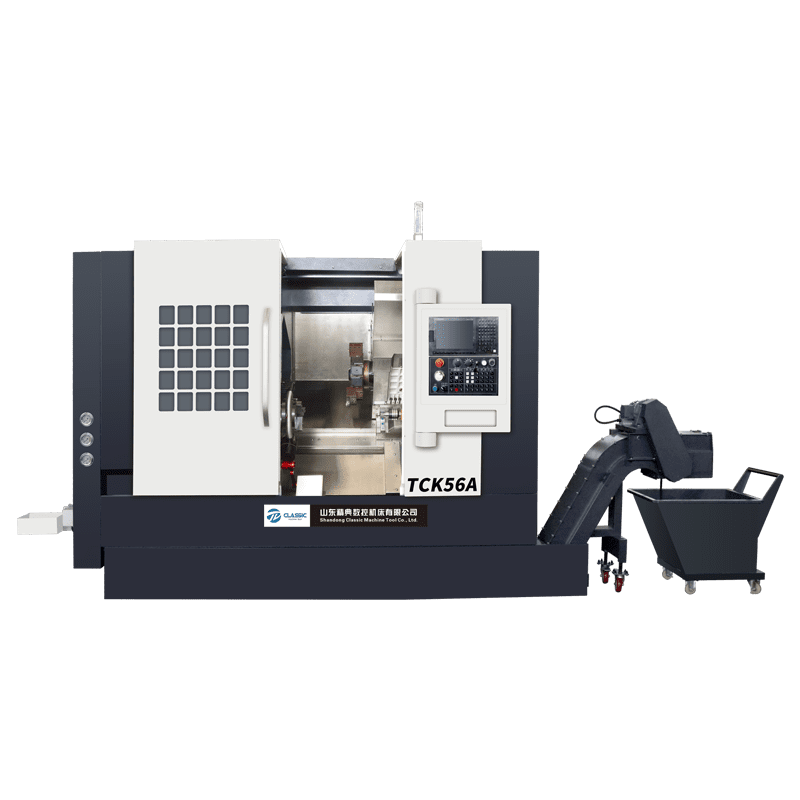
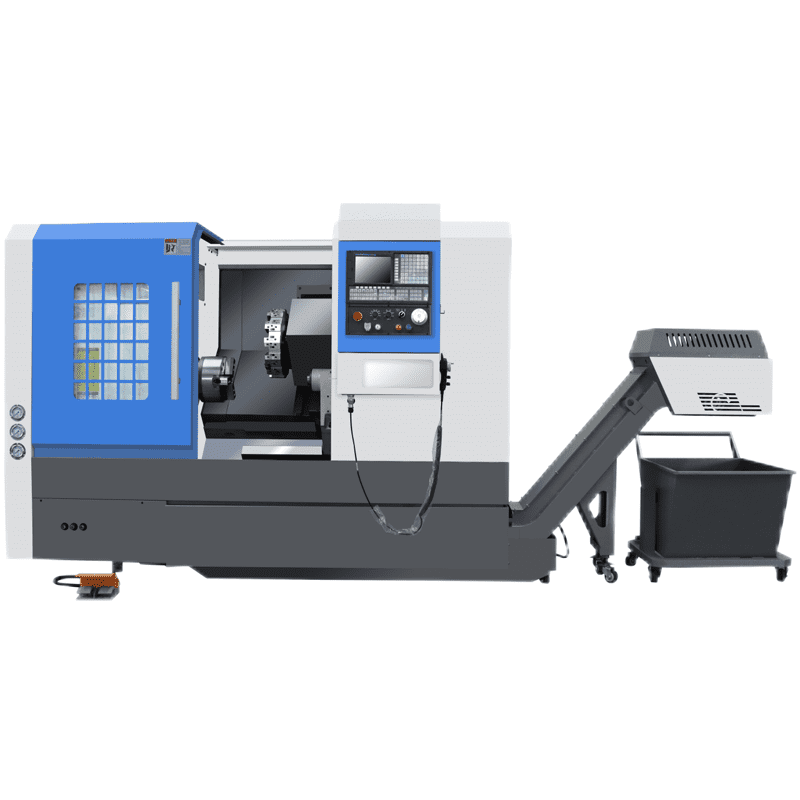
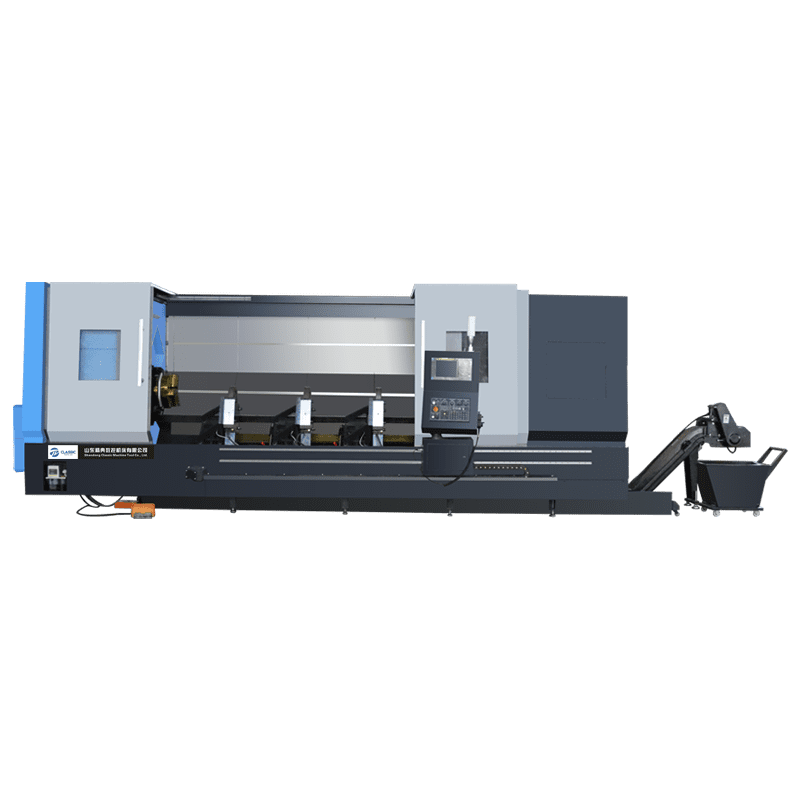
4 Axis CNC lathe
Our 4-axis CNC lathes expand upon the 2-axis configuration by adding both a C-axis and a Y-axis. This allows for more complex operations such as end-face machining, helical machining, and groove machining.
This configuration is particularly suitable for machining parts that require multi-face machining or have complex shapes, such as gears and helical components.
By integrating the Y-axis, these lathes can perform off-center drilling and milling operations, making it possible to complete most parts in a single setup. This reduces the need for additional fixtures or transfers to secondary machinery, thus saving time and improving accuracy by minimizing the potential for errors between setups.
The addition of the C-axis enables the lathe to position the workpiece at any angle for milling, allowing for the creation of features such as keyways, drilled holes at specific angles, and complex surface contours.
These models can be configured as 4-axis machines, offering enhanced versatility and efficiency for producing precision parts with complex geometries in industries like aerospace, medical, and precision engineering. This configuration significantly increases the range of possible machining operations, making it a powerful option for advanced manufacturing requirements.
TCK56A
TCK520
TCK630
TCK650
TCK700
TCK800
Get A Quote
Contact our team to learn more about our CNC Vertical Lathes, get a quote on pricing and availability.
Our team offers ongoing support before, during and after your purchase.Feel free to consult us with your requirements to discuss the best solution that suits you best. We can customize the machine to suit your budget and requirements and deliver it with a fast turnaround time and provide five years of post-sales support after delivery.